
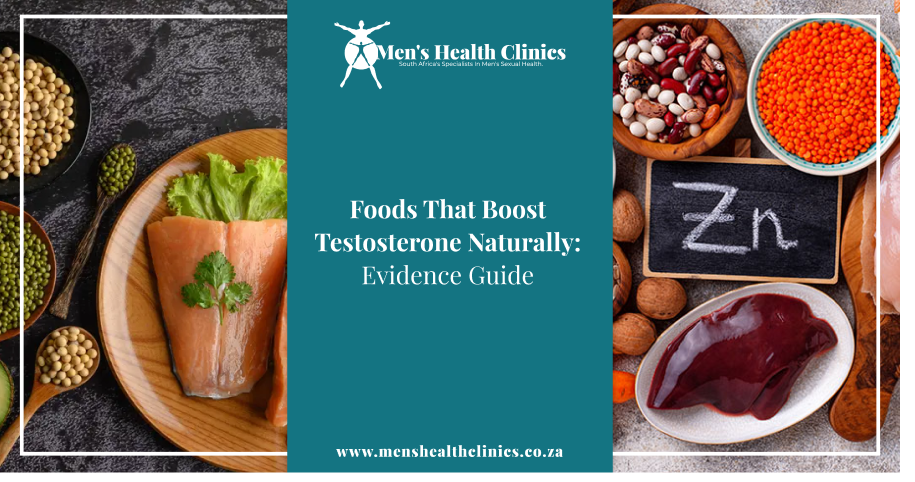
The short answer: Foods that boost testosterone naturally in every man. A varied diet can support normal hormone production by providing enough energy, protein, healthy fats, zinc, vitamin D and other nutrients. Food is most likely to help when it corrects a nutritional shortfall or supports gradual weight and metabolic improvement. It cannot diagnose or treat confirmed hypogonadism on its own.
How Food Affects Testosterone
Testosterone production depends on communication between the brain, pituitary gland and testes. Nutrition is one part of that system, but it is not a simple switch. Severe energy restriction, rapid weight loss, very low nutrient intake, illness and excessive training without enough recovery can temporarily suppress reproductive hormones. At the other extreme, obesity and poor metabolic health are commonly associated with lower testosterone.This creates an important distinction: eating enough of a needed nutrient can support normal function, but taking more than enough does not necessarily create more testosterone. For example, zinc deficiency can affect reproductive health. That does not mean high-dose zinc will raise testosterone in a man whose zinc status is already adequate.The same caution applies to vitamin D. Low vitamin D and low testosterone may appear together because both can be influenced by health, weight, outdoor activity and other factors. Vitamin D should be assessed and corrected for bone and general health when appropriate, but a vitamin D-rich meal is not a treatment for clinically low testosterone.| What food can do | What food cannot establish |
|---|---|
| Provide protein, fats, zinc, vitamin D, magnesium and other nutrients used in normal physiology. | Whether your symptoms are caused by low testosterone. |
| Support gradual weight management, muscle maintenance and cardiometabolic health. | Whether the cause is testicular, pituitary, medicine-related, sleep-related or another condition. |
| Correct a documented or likely nutrient shortfall through suitable foods. | Whether testosterone treatment or another medical treatment is appropriate. |
| Improve the overall quality and regularity of meals. | How much your blood testosterone will change or which symptom will improve. |
The Best Foods That Boost Testosterone
A more accurate description is foods that support a testosterone-friendly eating pattern. The twelve groups below help supply useful nutrients or improve overall diet quality. Choose according to allergies, medical conditions, culture, budget and advice from your healthcare professionals.1. Eggs
Eggs provide high-quality protein, fats and small amounts of vitamin D. They can be a convenient breakfast or meal ingredient, but the yolk is not a direct testosterone treatment. How often eggs suit you depends on your full eating pattern and any advice you have received about cholesterol, diabetes or cardiovascular risk.2. Oily Fish
Sardines, pilchards, salmon and mackerel provide protein, omega-3 fats and vitamin D. Tinned pilchards can be a practical local option. Fish supports a nutrient-dense diet, but claims that it directly raises testosterone or corrects erections go beyond what a serving of food can promise.3. Oysters and Other Shellfish
Oysters are exceptionally rich in zinc, while crab and some other shellfish also contribute zinc and protein. The NIH Office of Dietary Supplements zinc fact sheet lists adult men’s recommended intake as 11 mg per day and the adult upper limit from all sources as 40 mg per day. More is not automatically better, and shellfish must be avoided if you have an allergy.4. Lean Meat and Poultry
Lean beef provides protein, zinc and iron; chicken supplies protein and can help meet energy needs without relying on processed meat. Choose sensible portions and rotate animal proteins with fish, eggs and legumes. Large amounts of fatty or processed meat are not required for hormone production.5. Beans, Lentils and Chickpeas
Legumes provide plant protein, fibre, magnesium and some zinc. They are affordable, filling and useful for blood-sugar and weight-management goals when prepared without excessive salt or added fat. Beans do not “spike” or suppress testosterone; they are a valuable part of a balanced diet.6. Leafy Green Vegetables
Spinach, morogo, Swiss chard and kale provide magnesium, folate, fibre and a range of plant compounds. Magnesium participates in many body processes, but a plate of greens should be valued for broad health rather than sold as a rapid hormone booster.7. Nuts and Seeds
Pumpkin seeds, peanuts, almonds and other nuts or seeds provide unsaturated fats, protein and minerals. A modest handful can add useful energy and nutrients. Brazil nuts contain a great deal of selenium, so eating several every day or combining them with selenium supplements may lead to excessive intake. Variety is safer than treating one nut as medicine.8. Milk, Maas and Fortified Alternatives
Dairy foods contribute protein and calcium. Some milks and plant alternatives may be fortified with vitamin D, but the amount varies, so check the label. Choose unsweetened fortified alternatives if avoiding dairy, and remember that a product labelled “plant-based” is not automatically high in protein.9. Whole Grains and Minimally Processed Starches
Oats, brown rice, wholegrain bread, sweet potato and coarse maize meal can provide training fuel, fibre and micronutrients. Carbohydrate is not the enemy of testosterone. Men who exercise hard, skip meals or severely restrict carbohydrates may simply fail to eat enough total energy for recovery.10. Colourful Vegetables and Whole Fruit
Tomatoes, peppers, carrots, berries, citrus, guava and pomegranate contribute fibre, vitamin C and other nutrients. Pomegranate is nutritious, but small or indirect studies do not justify presenting it as a dependable testosterone treatment. Whole fruit is generally more filling than juice and avoids concentrating sugar into a drink.11. Avocado and Olive Oil
These foods supply mostly unsaturated fats and can help make meals satisfying. The body needs dietary fat, but that does not mean adding unlimited oil or saturated fat will increase testosterone. Portion size still matters when weight management is one of your goals.12. Soy Foods
Tofu, unsweetened soy milk and other minimally processed soy foods can provide useful protein. An updated meta-analysis of clinical studies found no significant effect of soy or isoflavones on measured male reproductive hormones. Men who enjoy soy do not need to avoid it because of online hormone myths.Evidence check: ginger, garlic, onions and pomegranate can all be part of healthy meals, but evidence from animals, small studies or selected groups should not be turned into a promise that these foods will raise an individual man’s testosterone.
Build a Practical Testosterone-Support Plate
Use a repeatable meal structure rather than searching for a special recipe. At most main meals, combine vegetables, a protein source, a sensible portion of high-fibre starch and a source of unsaturated fat. Adjust portions for your body size, activity, weight goals, diabetes care, kidney health and other medical needs.| Meal | Balanced example | Useful nutrients |
|---|---|---|
| Breakfast | Oats with milk or fortified soy milk, fruit and pumpkin seeds; or eggs with spinach and wholegrain toast. | Protein, fibre, fats and minerals |
| Lunch | Bean and vegetable bowl with brown rice, avocado and a piece of whole fruit. | Plant protein, fibre, magnesium and unsaturated fat |
| Dinner | Pilchards, chicken or lean beef with morogo or mixed vegetables and sweet potato or coarse maize meal. | Protein, zinc, iron, vitamin D and fibre, depending on the choices |
| Snack if needed | Plain maas or yoghurt, fruit, peanuts or a boiled egg. | Protein and energy between meals |
The Other Side: Foods That Lower Testosterone
It is difficult to prove that one ordinary food “lowers testosterone” in a clinically important way. The bigger concern is a repeated pattern that contributes to excess energy intake, nutrient displacement, poor sleep, liver problems or metabolic disease.- Sugary drinks and frequent sweets: these can make weight and blood-glucose management harder when consumed often, but one sweet food does not permanently suppress testosterone.
- Highly processed convenience foods: they may be high in salt, refined starch or energy and low in fibre, especially when they replace vegetables, legumes and minimally processed meals.
- Frequent deep-fried takeaways: the main issue is overall diet quality, portion size and repeated excess—not a unique hormone toxin in every cooking oil.
- Heavy or binge alcohol use: alcohol can affect sleep, liver health, sexual function, fertility and hormone regulation. Reducing heavy intake is more useful than searching for a food that cancels it out.
- Extreme dieting: chronic under-eating, rapid weight loss or cutting out whole food groups can leave an active man under-fuelled and short of nutrients.
Food Is Powerful, but It’s Part of a Bigger Picture
For men with obesity-related or functional testosterone suppression, gradual weight reduction and improved metabolic health may help testosterone recover. That does not make dieting the answer for every man. Someone who is already lean, under-eating, overtraining, unwell or losing weight unintentionally needs a different assessment.Sleep deserves equal attention. Loud snoring, breathing pauses, morning headaches and severe daytime sleepiness can suggest obstructive sleep apnoea, which should be medically assessed. Strength training can support muscle and health, but training hard every day without adequate energy or recovery may work against wellbeing.Medicines and health conditions matter too. Opioids, glucocorticoids, previous anabolic-steroid use, pituitary or testicular conditions, diabetes, thyroid disease, severe illness and other factors can affect symptoms or hormone results. Never stop a prescribed medicine because you think it is lowering testosterone; ask the prescriber to review it.A realistic order of action
- Record the symptoms, their timing and any major change in sleep, weight, training, medicines or health.
- Improve meal quality and regularity without using an extreme diet.
- Address sleep, physical activity, stress, smoking and heavy alcohol use.
- Seek medical testing when symptoms are persistent, significant or accompanied by concerning signs.
- Use the results and clinical assessment—not marketing—to decide what happens next.
Food, Nutrient Supplements and “Testosterone Boosters” Are Different
A normal food contains a mixture of nutrients in familiar amounts. A zinc, vitamin D or magnesium supplement delivers a concentrated dose. A multi-ingredient “testosterone booster” may contain herbs, stimulants, vitamins and minerals in combinations that have not been well studied. These categories should not be treated as interchangeable.Testing and individual advice may be appropriate before supplementing, especially if you have kidney or liver disease, take regular medicines, have a history of kidney stones, or already use fortified products. Excess zinc can cause nausea and contribute to copper deficiency, and it can interact with certain antibiotics and other medicines. Too much vitamin D can cause harmful calcium levels. Follow the product label and a qualified clinician’s advice rather than stacking several products with the same ingredient.The National Center for Complementary and Integrative Health advises that “natural” does not necessarily mean safe and that supplements may interact with medicines. Avoid unlabelled products, secret mixtures, exaggerated hormone claims and products that do not clearly identify every ingredient and amount.Important: do not use food or supplements to replace prescribed testosterone, alter a TRT dose or avoid medical investigation. If testosterone has been prescribed, do not stop, taper, increase or combine it with a booster without speaking to the prescribing medical practitioner.
Private Food and Symptom Self-Check
Use these questions to prepare for a conversation. This educational self-check cannot diagnose low testosterone, identify a nutrient deficiency or replace blood testing.
- Do I regularly eat protein foods such as fish, eggs, lean meat, dairy, beans, lentils, tofu, nuts or seeds?
- Do most meals contain vegetables or whole fruit, or are they mainly refined starch and processed food?
- Am I skipping meals, fasting aggressively, losing weight rapidly or training without enough fuel and recovery?
- Do I drink sugary beverages, use alcohol heavily or depend on takeaways most days?
- Have I removed major food groups because of an online testosterone claim?
- Am I taking zinc, vitamin D, selenium, magnesium, herbs or a booster, and have I checked the combined doses and medicine interactions?
- Have low libido, fewer morning erections, fatigue, loss of strength or other symptoms persisted despite adequate food and sleep?
- Do I have headaches with visual changes, breast discharge, testicular pain or swelling, infertility, major unexplained weight change or another concerning symptom?
How to interpret your answers
- Meals are irregular or very restrictive: begin with regular, balanced meals and consider guidance from a registered dietitian if your needs are complex.
- Several supplements overlap: pause before adding another product and ask a pharmacist or appropriate clinician to review ingredients, doses and interactions.
- Symptoms persist: arrange a medical assessment. Food changes cannot confirm whether testosterone is low.
- Concerning symptoms are present: seek prompt medical care rather than waiting for a nutrition or naturopathic appointment.
When Food Is Not Enough: Testing and Medical Assessment
Low testosterone is not diagnosed from symptoms or a food diary. The 2026 European Association of Urology guideline recommends diagnosis only when compatible symptoms or signs occur with consistently low testosterone. Total testosterone is measured in the morning while fasting and a low result is repeated on at least two separate occasions before treatment is considered.The clinician may review sleep, weight, alcohol, medicines, fertility goals, testicular history and symptoms that suggest a pituitary or other medical cause. Additional tests depend on the findings. Do not take a booster immediately before testing to try to improve the number; an accurate baseline is more useful than a temporarily altered result.The Endocrine Society’s 2026 statement likewise emphasises that hypogonadism is a medical diagnosis based on symptoms plus at least two early-morning fasting testosterone measurements. If TRT is being considered, use the separate Gauteng TRT testing and monitoring guide to prepare questions for a registered medical practitioner.Seek prompt medical care for:
- a new testicular lump, swelling, severe pain or injury;
- severe headache with visual disturbance, confusion, weakness or other neurological symptoms;
- breast discharge, rapidly developing breast changes or unexplained loss of body hair;
- major unexplained weight loss, persistent vomiting or signs of severe illness;
- severe depression, thoughts of self-harm or any immediate mental-health crisis.
Confidential Help in Sandton, Johannesburg
Men’s Health Clinics provides private naturopathic consultations focused on lifestyle and wellness support. A consultation may help you organise your food pattern, sleep, activity, stress, alcohol use, medicines and supplement list; identify questions to take to a registered dietitian, pharmacist or medical practitioner; and develop realistic food-first habits within naturopathic scope.Naturopathic care does not diagnose testosterone deficiency, prescribe TRT, order or medically interpret hormone treatment, or replace care for a testicular, pituitary, fertility, metabolic or mental-health condition. When symptoms or risks require medical assessment, referral is an important part of safe care.Consultations start from R2,500. This is a starting naturopathic consultation price and does not include blood tests, prescribed medicines, TRT, specialist care or separate services from another provider. Confirm the current fee and inclusions before paying; the treatment-prices guide explains useful cost questions.Face-to-face naturopathic appointments are arranged at 199 Vanessa Street, Buccleuch, Sandton, 2090, Gauteng, South Africa. Confirm your appointment before travelling, then visit our Mens Clinic. Remote naturopathic consultations may also be discussed when suitable.Bring a three-day food record, symptom timeline and complete medicine-and-supplement list.
Request a Private Naturopathic ConsultationEvidence and Safety Resources
- European Association of Urology: Male Hypogonadism, 2026
- Endocrine Society: 2026 Statement on Testosterone Replacement Therapy
- NIH Office of Dietary Supplements: Zinc
- NIH Office of Dietary Supplements: Vitamin D
- PubMed: Soy, isoflavones and male reproductive hormones
- NCCIH: Using Dietary Supplements Wisely
- South African medicines regulator: Sexual-enhancement product safety
Frequently Asked Questions: Foods That Boost Testosterone Naturally
What food boosts testosterone the most?
No single food reliably boosts testosterone in every man. Oysters are rich in zinc, and oily fish, eggs, legumes, lean meat, vegetables, nuts and seeds can support a nutrient-dense diet. The overall eating pattern and whether a deficiency exists matter more than one ingredient.
Can eggs increase testosterone?
Eggs provide protein, fats and small amounts of vitamin D, but they have not been shown to treat low testosterone reliably. They can be part of a balanced diet if suitable for your health needs.
Do oysters raise testosterone?
Oysters are a concentrated source of zinc. Correcting zinc deficiency may support normal reproductive function, but eating extra oysters is unlikely to keep raising testosterone when zinc intake is already adequate.
Does soy lower testosterone in men?
Normal intake of soy foods has not been shown to meaningfully lower men’s testosterone or feminise men in clinical evidence. Tofu and unsweetened soy milk can be useful protein sources.
Can food alone fix low testosterone?
Food may help when poor intake, excess weight or another reversible lifestyle factor contributes, but it cannot correct every cause of hypogonadism. Persistent symptoms require medical assessment and repeat morning blood tests when appropriate.
Should I take zinc or vitamin D for testosterone?
Do not assume you need a supplement from symptoms alone. Food, health history, medicines, blood results and the combined dose from all products should be reviewed. Excess zinc or vitamin D can cause harm and interact with care.
How quickly can diet change testosterone?
There is no reliable food-based timeline. Changes related to correcting a deficiency, improving energy intake or gradual weight loss vary between men and should not be promised in days or weeks. Symptoms that persist should be assessed.
How is low testosterone properly diagnosed?
Diagnosis requires compatible symptoms or signs together with consistently low testosterone. Guidelines recommend at least two separate morning fasting total-testosterone measurements and a medical evaluation of the cause.